Your Roadmap to Fertility Care: Understanding IVF Clinics, Costs, and Treatment Choices
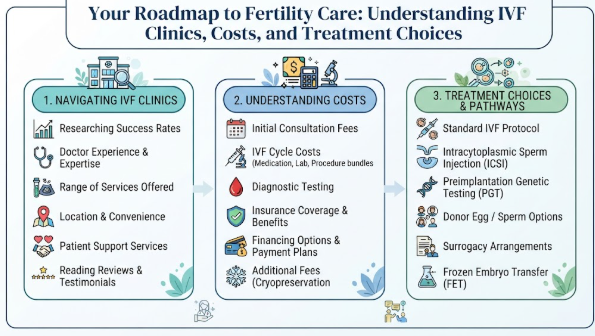
Introduction
Deciding to build a family through assisted reproduction is a deeply personal and meaningful milestone. For many people, the path forward begins with a flurry of questions: How do treatments actually work? Where should you look for trusted care? What kind of financial investment is involved? And how do you make sense of clinical success rates? Sifting through countless medical websites can quickly feel exhausting. That is why having a clear, organized starting point makes all the difference, helping you cut through the noise and approach your healthcare journey with a sense of calm and clarity.
What Is IVFHospitalsNow.com?
IVFHospitalsNow.com serves as a dedicated informational hub designed to simplify the process of discovering fertility care. Rather than functioning as a medical clinic or treatment provider itself, the platform helps individuals research reproductive hospitals, specialized physicians, and various care pathways all in one centralized location. The world of reproductive medicine involves many moving parts. This platform helps organize complex details regarding clinic locations, medical specialties, and available services. By bringing this information together, it gives users a reliable foundation to build their knowledge, understand what different centers offer, and figure out what questions matter most before ever booking a consultation.
Why Reliable Fertility Information Matters
When you are exploring reproductive health, having access to accurate, objective facts is essential. Because this process often takes place during emotionally vulnerable times, clear and transparent resources help lower stress and set realistic expectations. Quality educational content breaks down complex medical jargon into plain language, helping you understand what specific procedures entail. When you have a solid grasp of the fundamentals, you walk into doctor appointments feeling empowered. Instead of feeling intimidated by terminology, you can collaborate closely with your medical team and make choices that align with your personal goals.
What Can People Explore When Researching IVF Clinics?
When individuals start looking into fertility care providers, they typically focus on a few key areas to evaluate their options thoroughly.
IVF Treatment Information
Before reaching out to a medical center, it helps to understand the general roadmap of a cycle. While medical protocols are always customized to the individual, a standard cycle usually kicks off with an initial consultation and comprehensive testing. This is followed by ovarian stimulation to encourage follicle growth, a minor procedure to retrieve mature eggs, and laboratory fertilization. Resulting embryos are then monitored before a single or double embryo transfer takes place. Knowing these steps helps remove the mystery from the process.
Fertility Specialists and Medical Teams
The people behind the care matter deeply. Patients frequently look into the credentials, backgrounds, and areas of expertise of reproductive endocrinologists and embryologists. Understanding the makeup of the clinical team and the capabilities of the on-site lab gives you a better sense of how comprehensive a center's care really is.
Clinic Location and Accessibility
Logistics play a huge role in treatments that require frequent appointments. When people search for IVF clinics near me, they are usually balancing travel time, work schedules, and daily routines. Fertility care often requires multiple monitoring visits over a few weeks, making proximity or manageable travel a major factor. If you are traveling from out of town, factoring in nearby lodging and transportation is equally important.
Treatment and Support Services
Beyond core medical procedures, many reproductive centers offer extra layers of support, such as counseling, nutritional guidance, and educational workshops. Reviewing these additional offerings helps you find a facility that cares for your emotional and physical well-being.
Understanding IVF Treatment Cost
Financial planning is a very real part of the fertility journey. The total IVF treatment cost can vary widely depending on where you live, the specific clinic you choose, and your unique medical needs. A typical financial estimate usually covers baseline diagnostic tests, doctor consultations, lab work, and monitoring appointments. However, it is vital to check whether hormonal medications are included, as they often add a substantial amount to your overall budget. Procedures like ICSI, genetic testing, embryo freezing, and yearly storage fees are also frequently billed separately. Getting an itemized breakdown upfront helps you plan realistically.
Understanding IVF Success Rates
Clinical statistics can be tricky to interpret without proper context. When looking at IVF success rates, it helps to remember that these numbers are influenced by factors like your age, underlying medical diagnosis, past treatment history, and laboratory quality. Furthermore, success can mean different things—positive pregnancy tests, clinical pregnancies seen on an ultrasound, or live births per cycle. Because clinics report data using different metrics, comparing numbers side-by-side without background info can be misleading. Remember that success rates reflect historical outcomes for past patient groups and are never a guarantee of your individual results.
How to Compare IVF Clinics
Comparing medical providers effectively comes down to looking at neutral, practical criteria rather than marketing hype. When you compare IVF clinics, keep these helpful factors in mind:
- Available Treatments: Does the center offer the specific care options required for your situation?
- Specialist Experience: What are the backgrounds and focus areas of the reproductive endocrinologists on staff?
- Laboratory Standards: What kind of technology and accreditation does the embryology lab maintain?
- Cost Transparency: Are fees and potential extra expenses clearly laid out?
- Success-Rate Context: How does the facility measure and explain its outcomes?
- Location and Logistics: Are travel times and appointment schedules manageable for you?
- Patient Support: Is communication clear, and are support resources readily available?
Finding IVF Clinics Near Me
For many individuals, keeping care close to home is a top priority. When searching for IVF clinics near me, patients use local directories to find nearby hospitals and specialized fertility centers. While being close to your clinic makes scheduling monitoring visits much easier, geography is only one piece of the puzzle. It is always wise to balance convenience with other essential factors, like the expertise of the medical team and the quality of the laboratory.
Exploring IVF Treatment Abroad
Some individuals look outside their home countries for care. IVF treatment abroad is often considered due to international pricing differences, specific treatment availability, or personal travel preferences. However, planning care across borders takes extra preparation. You will need to check the licensing of foreign facilities, verify staff credentials, and understand local healthcare laws. It also requires careful coordination of medical records, planning your recovery before flying home, and setting up follow-up care with a local physician.
Understanding IVF Cost by Country
Money is often a driving factor behind international care, which leads many to research IVF cost by country. Prices differ significantly around the world due to varying healthcare systems, local operational expenses, currency exchange rates, and pharmaceutical costs. Some international packages bundle medications and lab fees together, while others itemize every single step. If you are exploring options overseas, always confirm the currency, verify what services are included, and factor in travel and lodging expenses.
Exploring Different Fertility Treatment Options
Fertility care is never one-size-fits-all. Understanding the range of fertility treatment options helps you have more meaningful, productive conversations with your doctor. Approaches can range from simple ovulation induction and IUI to advanced lab procedures like standard IVF and ICSI. Some patients also explore third-party donor options or fertility preservation. Every plan is carefully tailored based on your diagnostic results and medical history.
Understanding Egg Freezing Cost
Fertility preservation has become a popular way to safeguard reproductive potential for the future. When researching egg freezing cost, it helps to know that the overall expense is spread across multiple distinct steps. Costs typically include initial consultations, stimulation medications, ultrasound and bloodwork monitoring, the surgical egg retrieval procedure, and lab freezing fees. You will also need to budget for annual storage fees, as well as future expenses if and when you decide to thaw and use those eggs down the road.
How to Evaluate IVF Clinic Information
Evaluating healthcare details takes a careful, analytical eye. Always check whether a clinic holds active licensing with recognized medical boards and professional associations. Look closely at how transparently a facility communicates its pricing, treatment protocols, and success-rate definitions. Trustworthy centers are open, clear, and happy to provide detailed information.
Questions to Ask an IVF Clinic Before Treatment
Coming to your consultation with a prepared list of questions helps you get the most out of your time with a specialist. Consider asking:
- What specific diagnostic results led to this recommended treatment plan?
- What does the timeline look like from start to finish for a complete cycle?
- What is included in the cost estimate, and what expenses might be billed separately?
- How are stimulation medications ordered, managed, and administered?
- Might additional procedures, such as ICSI or genetic testing, be recommended in our case?
- How does the clinic track, calculate, and report its success rates?
- What are the policies and fees regarding embryo freezing, storage, and future transfer?
- What follow-up care is provided after a cycle concludes?
- What physical side effects or medical risks should we anticipate?
- Are there alternative approaches we should explore based on our medical background?
Who Can Use IVFHospitalsNow.com?
People Beginning Fertility Research
Individuals just starting their journey can use platform resources to get comfortable with basic terms, common procedures, and care pathways without feeling overwhelmed.
Couples Exploring IVF
Couples actively considering treatment can research clinics, review treatment structures, understand expenses, and compile practical questions for upcoming doctor visits.
People Comparing Fertility Clinics
Users evaluating multiple centers can leverage organized provider details to weigh options objectively based on location, services, and specialist credentials.
People Researching Treatment Abroad
Patients interested in international care can explore global listings, country-specific overviews, travel logistics, and important factors to keep in mind.
People Exploring Fertility Preservation
Individuals looking into proactive family planning can access straightforward educational guides on egg freezing and long-term storage.
People Seeking Fertility Treatment Information
Anyone looking to expand their knowledge of reproductive medicine can use these educational resources to prepare for productive talks with medical professionals.
Step-by-Step Guide to Researching Fertility Care
Step 1: Understand Your Fertility Information Needs
Figure out what topics—like treatment types, pricing, or clinic proximity—you need to tackle first.
Step 2: Research Available Treatment Options
Familiarize yourself with general reproductive procedures like IUI, IVF, ICSI, and preservation.
Step: 3: Find Relevant IVF Clinics
Use platform search tools to discover medical centers matching your location and preferences.
Step 4: Review Clinic and Specialist Information
Look into the backgrounds of reproductive doctors and the capabilities of the facility.
Step 5: Understand Treatment Costs
Review itemized estimates, medication expenses, and potential add-on fees for your care plan.
Step 6: Review Success-Rate Information Carefully
Examine clinical outcome data in proper context, keeping age and medical history in mind.
Step 7: Prepare Questions for the Clinic
Write down a clear set of inquiries regarding protocols and pricing for your consultation.
Step 8: Discuss Your Options With a Qualified Fertility Specialist
Bring your research to a licensed reproductive endocrinologist to get personalized medical guidance.
Common Challenges When Researching IVF Treatment
Looking into assisted reproduction often comes with hurdles. Patients frequently deal with information overload, vastly different clinic price tags, and confusing success-rate definitions. Wrestling with medical terminology, planning travel, and comparing clinics fairly can add stress to an already emotional process. The best way to handle these challenges is to rely on reputable, objective sources, keep your research organized, and verify all important details directly with licensed healthcare providers.
Best Practices for IVF Clinic Research
A methodical search helps ensure you make confident choices. Always look at multiple providers rather than settling on the first one you find. Make sure you understand what a quoted price actually includes, check how success rates are calculated, and look into the credentials of the medical staff. Keep your records organized, ask about alternatives, and confirm all final details directly with the clinic.
How to Use Online Fertility Information Responsibly
When using digital resources for health research, safety and accuracy come first. Always check your sources, make sure information is current, and verify clinic details with the provider themselves. Avoid basing major medical decisions solely on internet reviews or claims of guaranteed success. Online tools are meant to build your foundational knowledge, while actual health decisions should always be made alongside qualified medical professionals.
Frequently Asked Questions
What is IVFHospitalsNow.com?
It is a specialized fertility-care discovery and information platform built to help people research IVF clinics, hospitals, medical specialists, treatments, and costs in an organized way.
How can people find IVF clinics?
Users can explore platform directories to locate fertility centers based on geographic location, available services, and facility details.
What factors affect IVF treatment cost?
Total expenses depend on location, clinic fees, required medications, diagnostic lab work, specialized procedures, and how many cycles are needed.
How should patients understand IVF success rates?
Success rates should always be viewed in context, taking patient age, medical background, and clinic reporting methods into account.
How can people compare IVF clinics?
Clinics can be compared fairly by looking at treatment offerings, specialist expertise, lab standards, cost transparency, and patient support resources.
What should people check when searching for IVF clinics near me?
Patients should consider travel distance, appointment flexibility, monitoring frequency, and whether the local facility fits their specific clinical needs.
What should patients consider before IVF treatment abroad?
Key factors include international facility accreditation, staff credentials, local healthcare regulations, language barriers, travel logistics, and follow-up care back home.
Why can IVF cost by country vary?
Price differences across borders are driven by local healthcare systems, operating overhead, currency exchange rates, and medication pricing.
What is the difference between ICSI and IVF?
Standard IVF lets sperm and eggs interact naturally in a culture dish, whereas ICSI involves an embryologist directly injecting a single selected sperm into an egg.
What factors can affect egg freezing cost?
Egg freezing expenses depend on initial diagnostics, stimulation drugs, monitoring visits, retrieval surgery, lab freezing, and yearly storage fees.
Conclusion
Embarking on a reproductive healthcare journey takes preparation, reliable information, and a steady pace. Whether you are learning the basics of assisted reproduction, comparing local providers, or looking into treatment expenses, having structured guidance makes the process much clearer. Informational platforms serve as helpful starting points for research, designed to support—not replace—professional medical advice. By gathering objective insights, asking the right questions, and partnering closely with qualified fertility specialists, you can navigate your options with clarity and peace of mind.